Every test result, traceable to how it was produced.
Capture the full provenance of each result as part of the workflow: the method, the operator, the instrument, and the sample, all in one record.
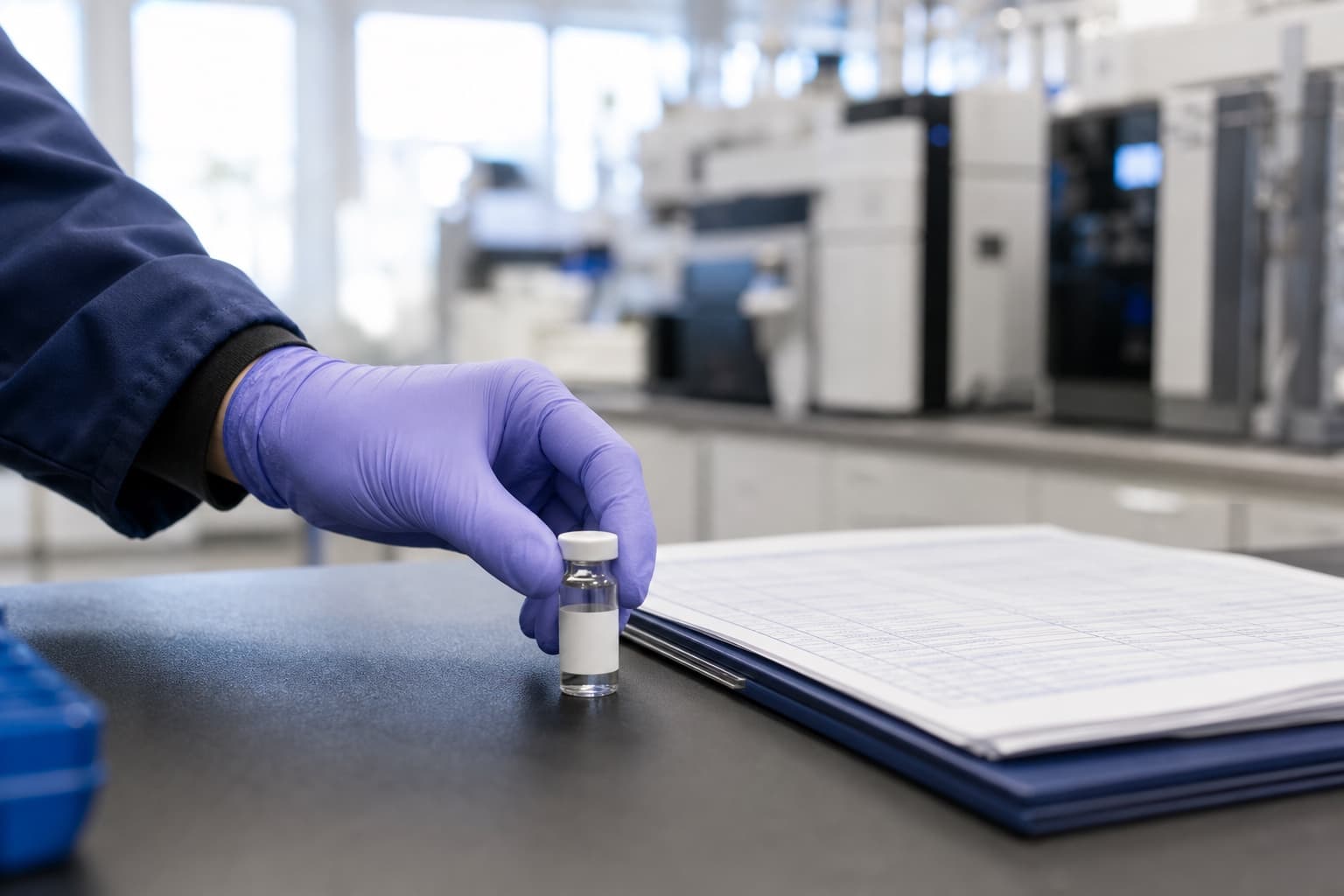
One run, end to end.
Kora captures provenance on every test result as part of the workflow: the method and its version, the operator, the instrument, and the sample or batch context are recorded into a hash-chained, replayable record, so any result can be traced to exactly how it was produced.
- Method
The test starts
A sample enters the released method version, with the operator and instrument known to the workflow.
- Capture
Provenance is recorded
Each result lands with its method version, operator, instrument, and sample or batch context.
- QA
QA sees the whole picture
Review happens with the full provenance in view, not a bare number in a spreadsheet.
- Record
Traceable for good
The result and its provenance become one append-only entry, comparable across instruments and sites.
Any number can be traced to exactly how it was produced. Hash-chained, replayable.
Test data provenance
What you get
Provenance captured as the test runs
A result you can trace
Results comparable across instruments
Context recorded at the source
Provenance is captured when the test runs, not stitched together afterwards from exports and memory.
Traceable to method and sample
Each result links to the method version and the specimen or batch, so a question about any number has an answer rather than a guess.
Comparable across instruments and labs
Because every result carries the same structured provenance, results line up across machines, operators, and sites.
Questions, answered.
What teams ask when they evaluate Kora for this problem.
Bring one disputed result.
In a demo, bring a result you had to defend. We will show how the workflow captures method, operator, instrument, and sample context at execution, and the record that answers the question next time.