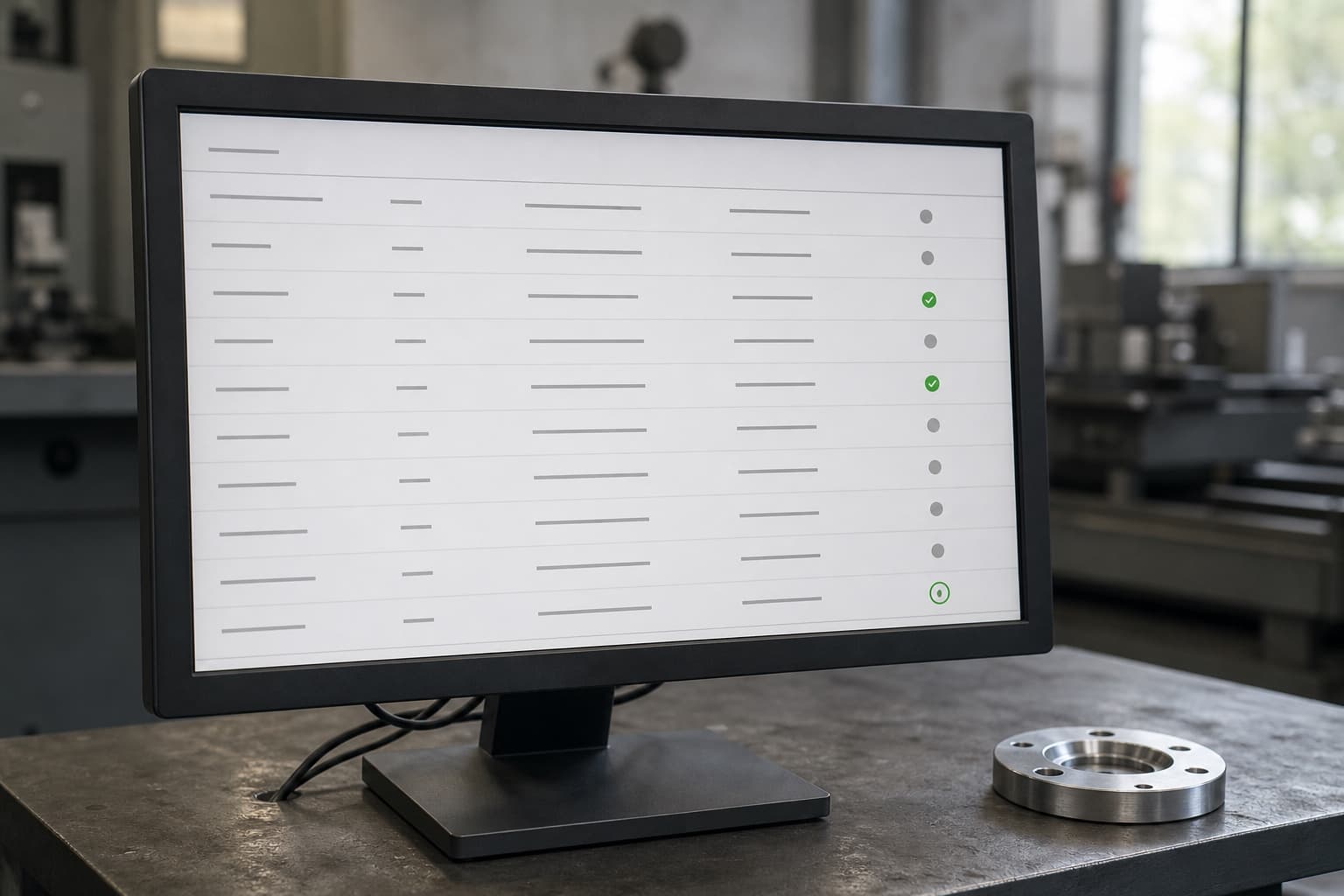
AI quality inspection that knows when to ask.

Put AI inside the inspection gate under criteria you release: it dispositions the parts that are plainly in spec, escalates the ones in question to an inspector, and records every call as audit evidence.

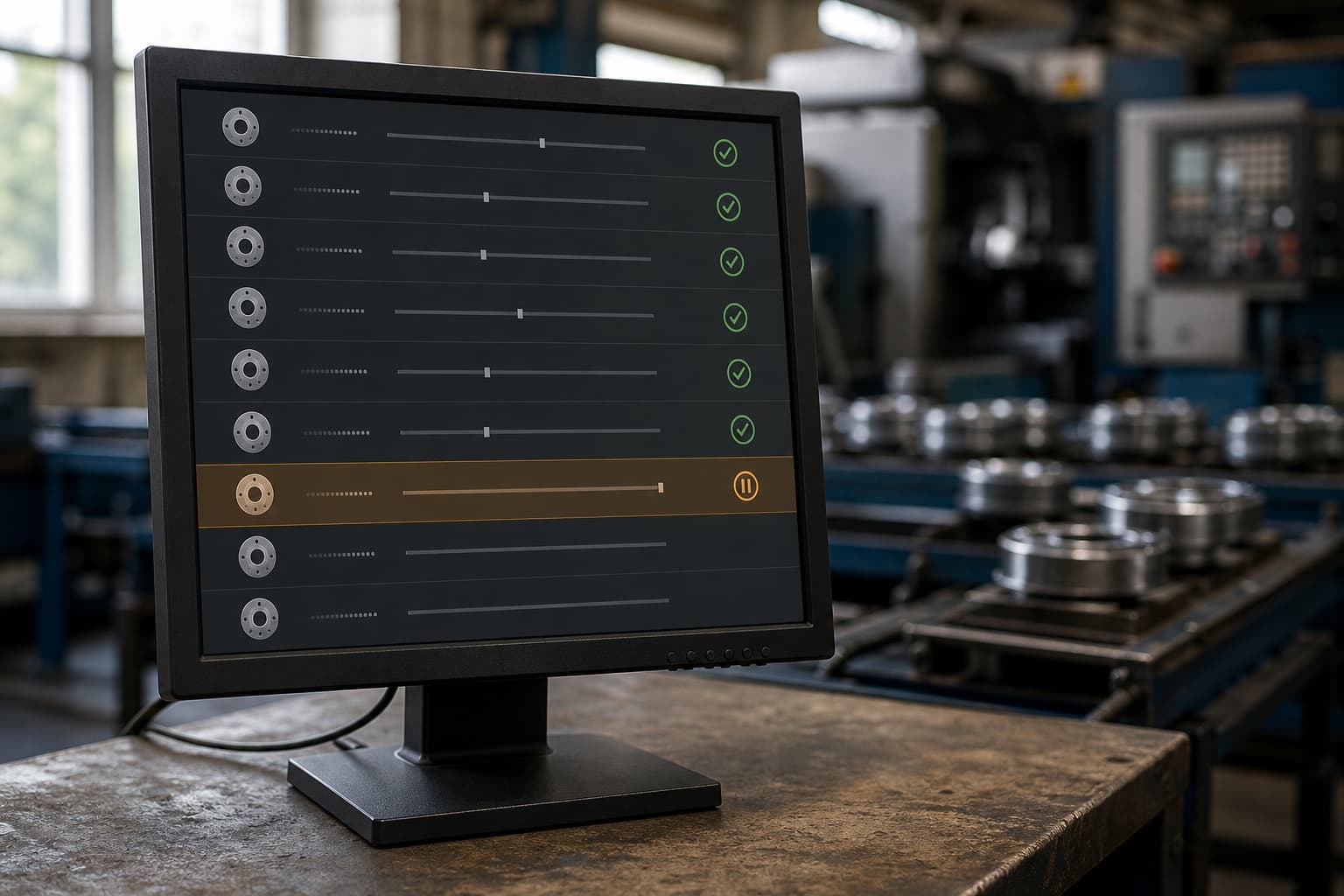
A monitor on a workshop bench showing the agent working down a queue of inspected parts: six carry the green check it cleared them with, two at the bottom are not reached yet, and one is banded in amber with a hold badge, its measurement hard against the end of its range, waiting on an inspector. Behind it, out of focus, a production line turns out the parts.
§ 01 · The approach

Quality inspection

Kora governs AI-assisted quality inspection: at a workflow gate an agent evaluates inspection inputs against the released spec, dispositions the parts that clearly pass or fail, and escalates the borderline and low-confidence ones to a qualified inspector. Every call, agent or human, is written with its rationale to a hash-chained, replayable record for IATF 16949 and ISO 9001 evidence.

01Agent

The agent takes the routine path

At the inspection gate, the agent reads the same inputs a person would: the measurements, the images, and the spec they have to meet. Most parts sit clearly inside or outside tolerance, and the agent dispositions those itself, at line speed, under criteria you released and can change.
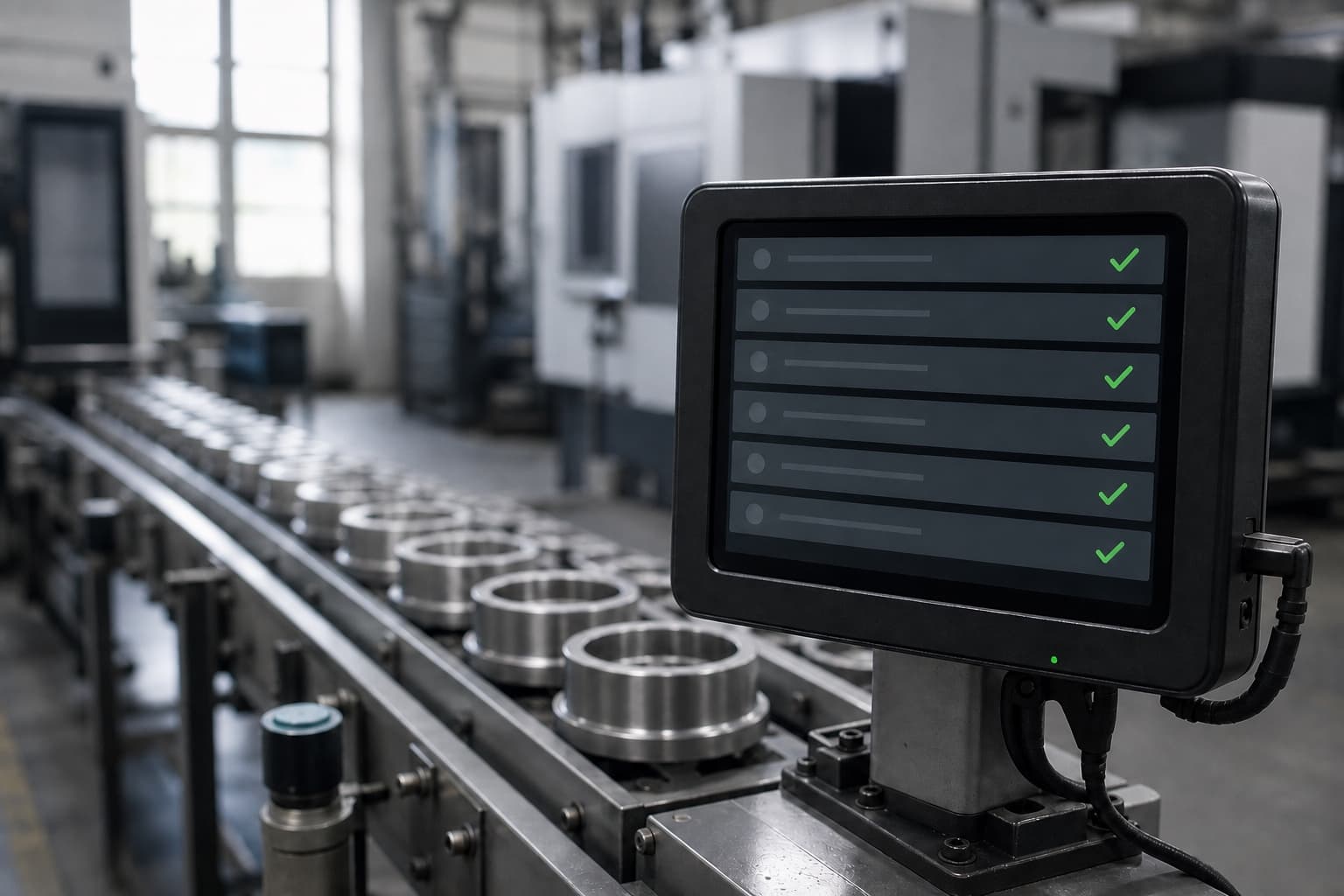
A production line carries a steady run of machined parts past an inspection station, whose screen shows every part in the queue cleared with a green check. No one is touching the parts.
02Inspector

The ones in question escalate

When a reading sits near the limit, the inputs disagree, or the agent's confidence is low, the part goes to a qualified inspector instead of through the gate. They see the measurements, the agent's reasoning, and how confident it was, and they make the call. Your inspectors spend their judgment on the parts that need it, not on the ones that do not.

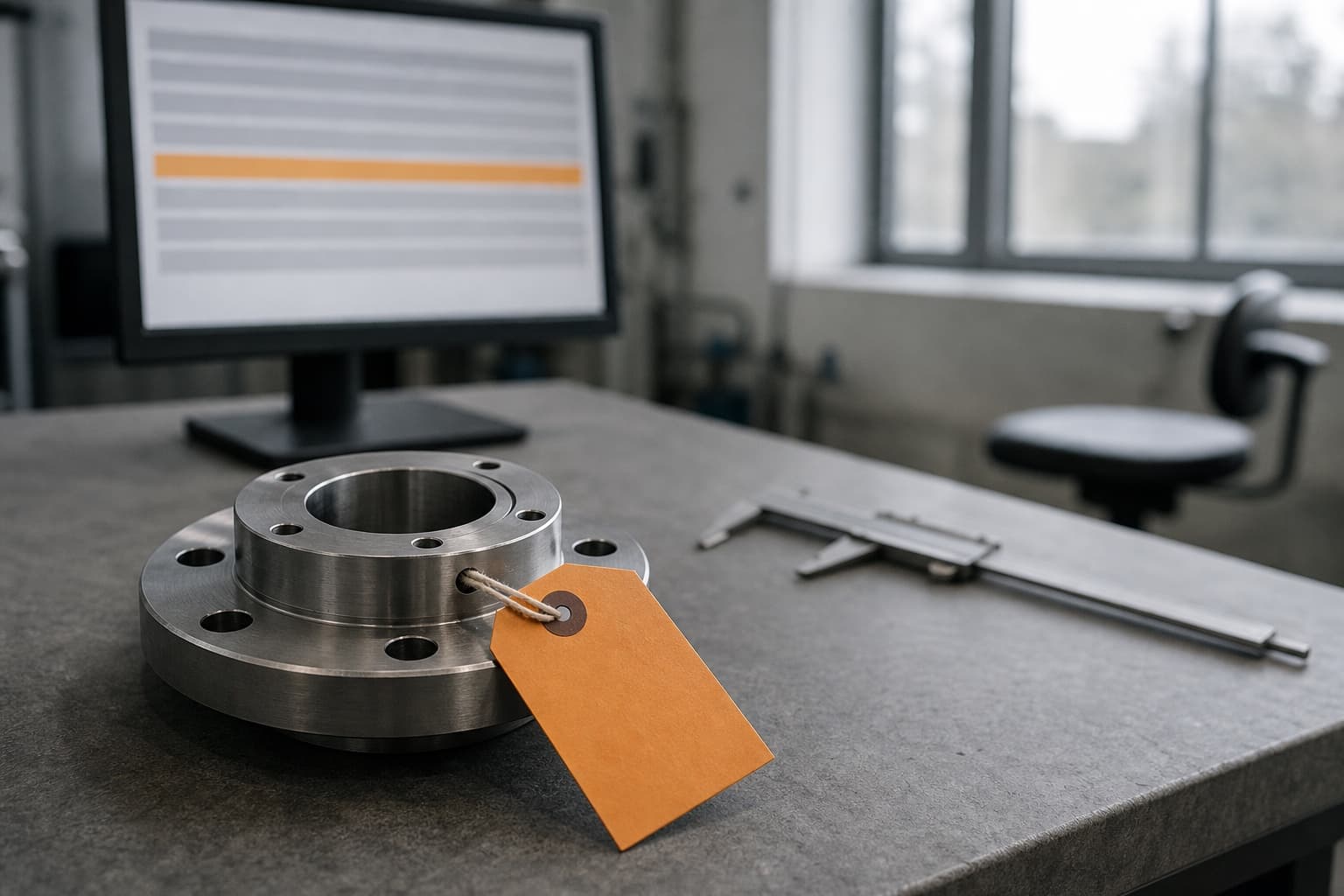
A single machined part set apart on an inspection bench with an amber hold tag tied to it, a screen behind it showing one row banded in amber, and calipers set down ready for an inspector.
03Record

Every call is recorded

Agent or inspector, every disposition is written to an append-only, hash-chained record: the inputs reviewed, the confidence, who or what decided, and the outcome, all tied to the process version that ran. Any run can be replayed to prove it happened as stated, and a failed part opens the non-conformance path with its evidence already attached.

An inspection-station screen showing a settled log of completed entries, one per part, the most recent sealed with a green mark, and a finished part on the bench beside it.
What you get
  • Faster dispositions

    The agent clears the parts that are plainly in spec, so an inspector's time goes to the ones actually in question.

  • Evidence on every part

    One hash-chained, replayable record per disposition, shaped for IATF 16949 and ISO 9001.

  • Consistent across shifts and sites

    The same released criteria run everywhere, so a pass means the same thing.

  • A clean line to non-conformance

    A fail opens corrective action with the evidence attached, nothing re-keyed.

§ 02 · FAQ

Questions, answered.

What teams ask when they evaluate Kora for this problem.

On the routine parts, yes, under criteria you release and can change. On anything borderline, low-confidence, or high-risk, no: the agent escalates to a qualified inspector and waits. You set where that line sits, and both kinds of call land in the same record, which is what an auditor expects to see.

A hash-chained, replayable record: the inputs reviewed, the agent's confidence, who or what decided, the final disposition, and the timestamp, tied to the process version that ran. An escalated part also records the inspector who made the call.

A fail disposition triggers the non-conformance workflow with the inspection evidence carried forward, so corrective action starts from a complete record rather than a fresh ticket.

No. Kora is not a defect-detection tool; it is the governance layer around one. The agent reads the measurements and images your existing instruments already produce, dispositions the routine parts, escalates the ones in question to a person, and records every call.

In your environment. Kora deploys under your control, as Docker on your own infrastructure, in your cloud account, or fully air-gapped, so measurements, images, and evidence records stay inside your boundary.
§ 03 · Next step

Bring one borderline part.

In a demo, bring a disposition your inspectors debated this week. We will run it through the governed gate: the agent dispositions the routine parts, the one in question escalates, and every call lands in the record.