Non-conformance and CAPA, governed from raise to closure.
Run the whole corrective-action loop as one workflow: contain the issue, find root cause, take action, verify it worked, and close with proof, so nothing stalls in an inbox or a spreadsheet.
Non-conformance and CAPA
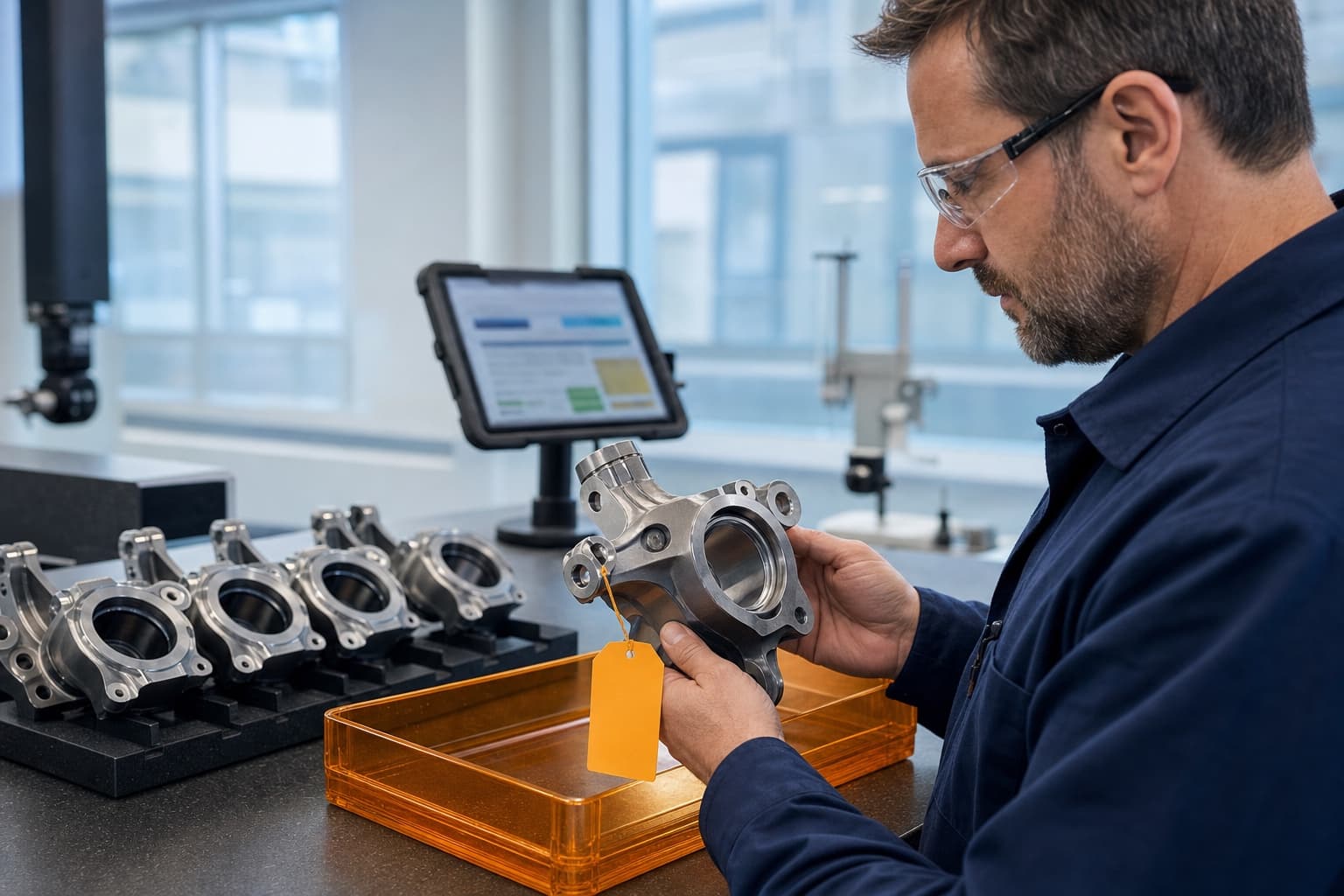
Kora runs non-conformance and CAPA as a governed workflow: each case moves through containment, investigation, corrective and preventive action, verification, and closure under a released process version, with human approval gates and a hash-chained, replayable evidence record shaped for IATF 16949 and ISO 9001.
How it works
- Raised
Raised and contained
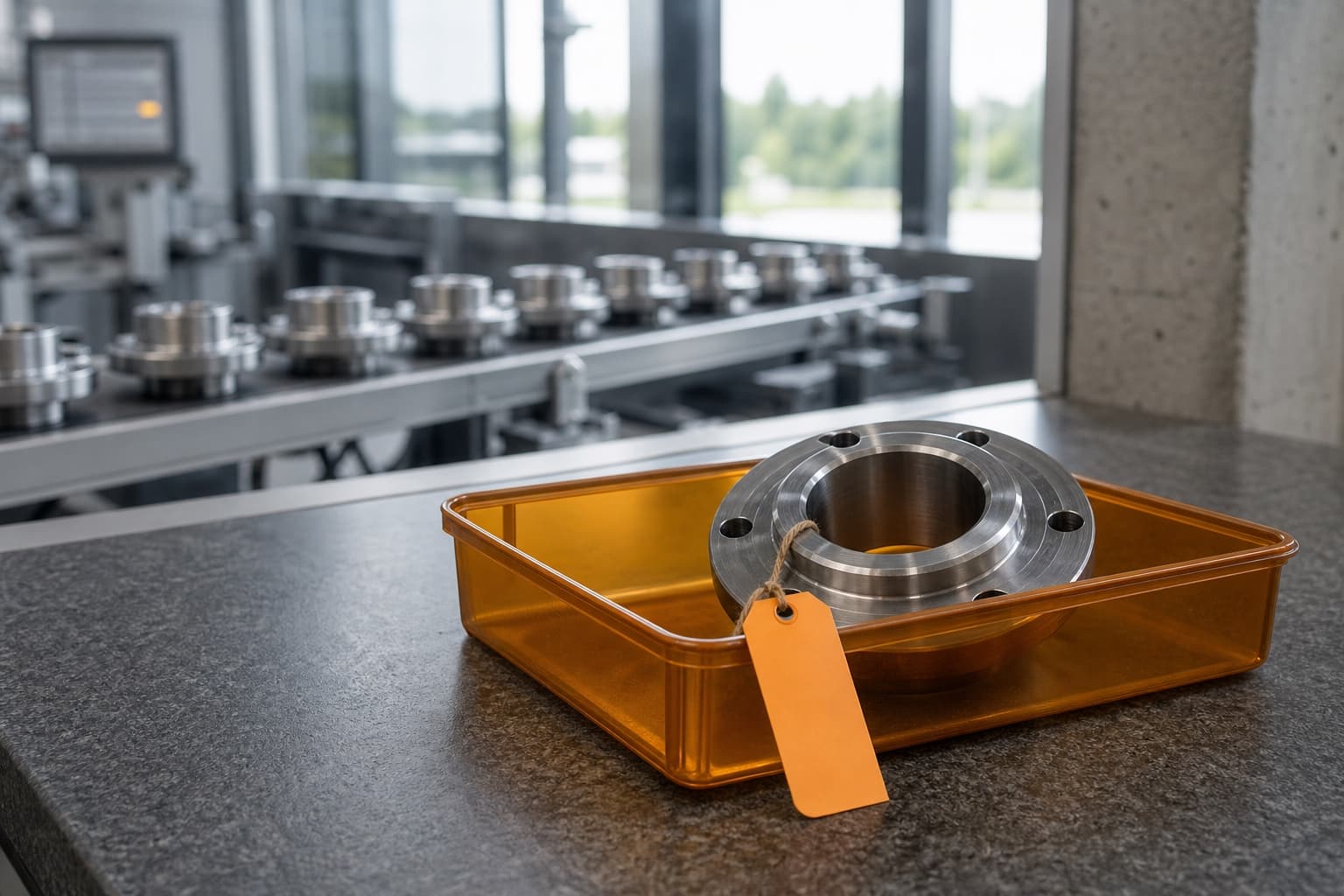
The case opens from a failed inspection or is raised directly, enters the released process version, and the affected lot is quarantined so nothing non-conforming moves downstream.
- Investigated
Root cause is found
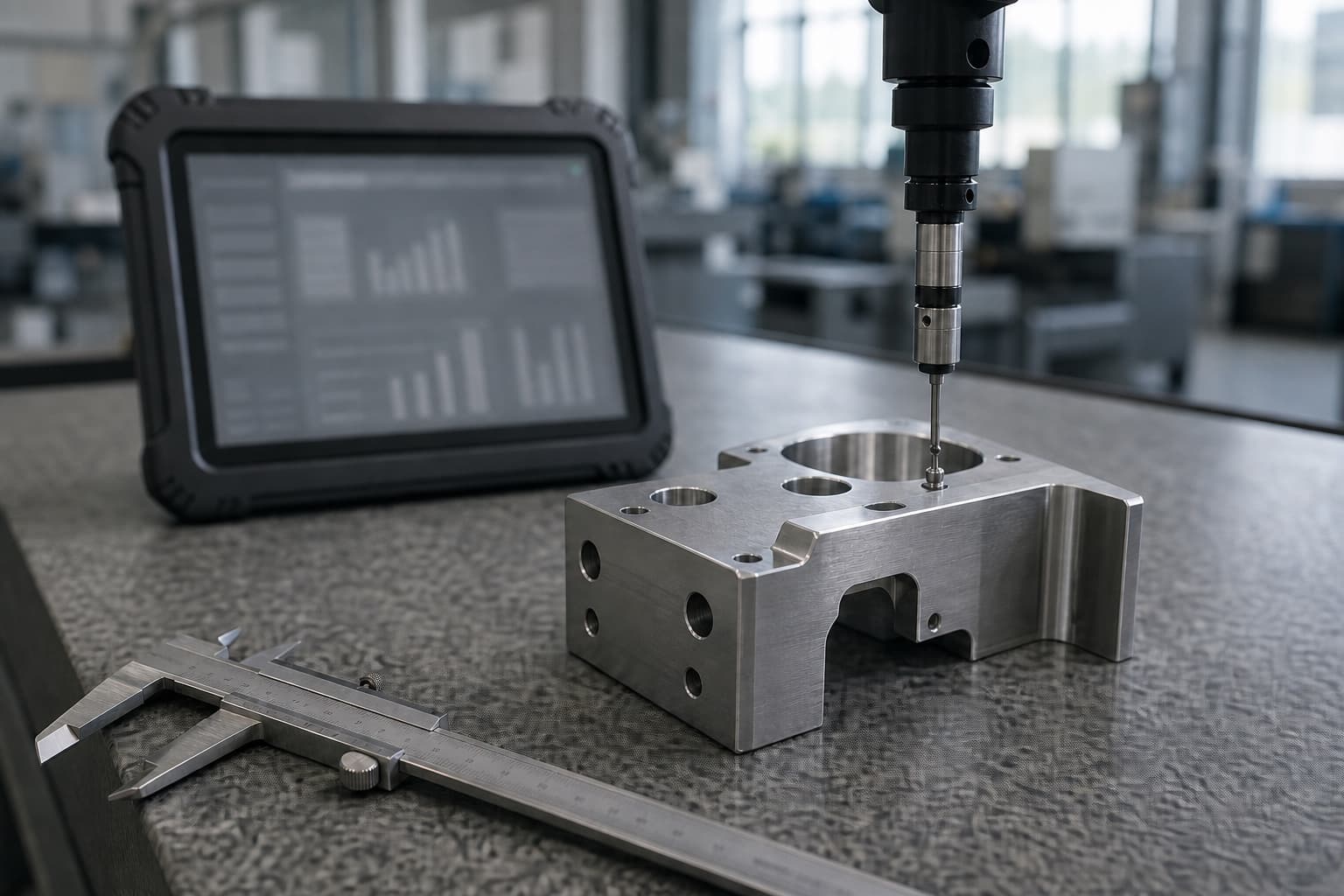
The agent gathers the history across the systems you already run and drafts a root-cause analysis for the engineer to review, not a blank ticket.
- Approved
Disposition and action approved
A quality engineer approves the disposition and the corrective and preventive action at the gate the process requires, before anything runs.

- Closed
Verified, then closed with proof
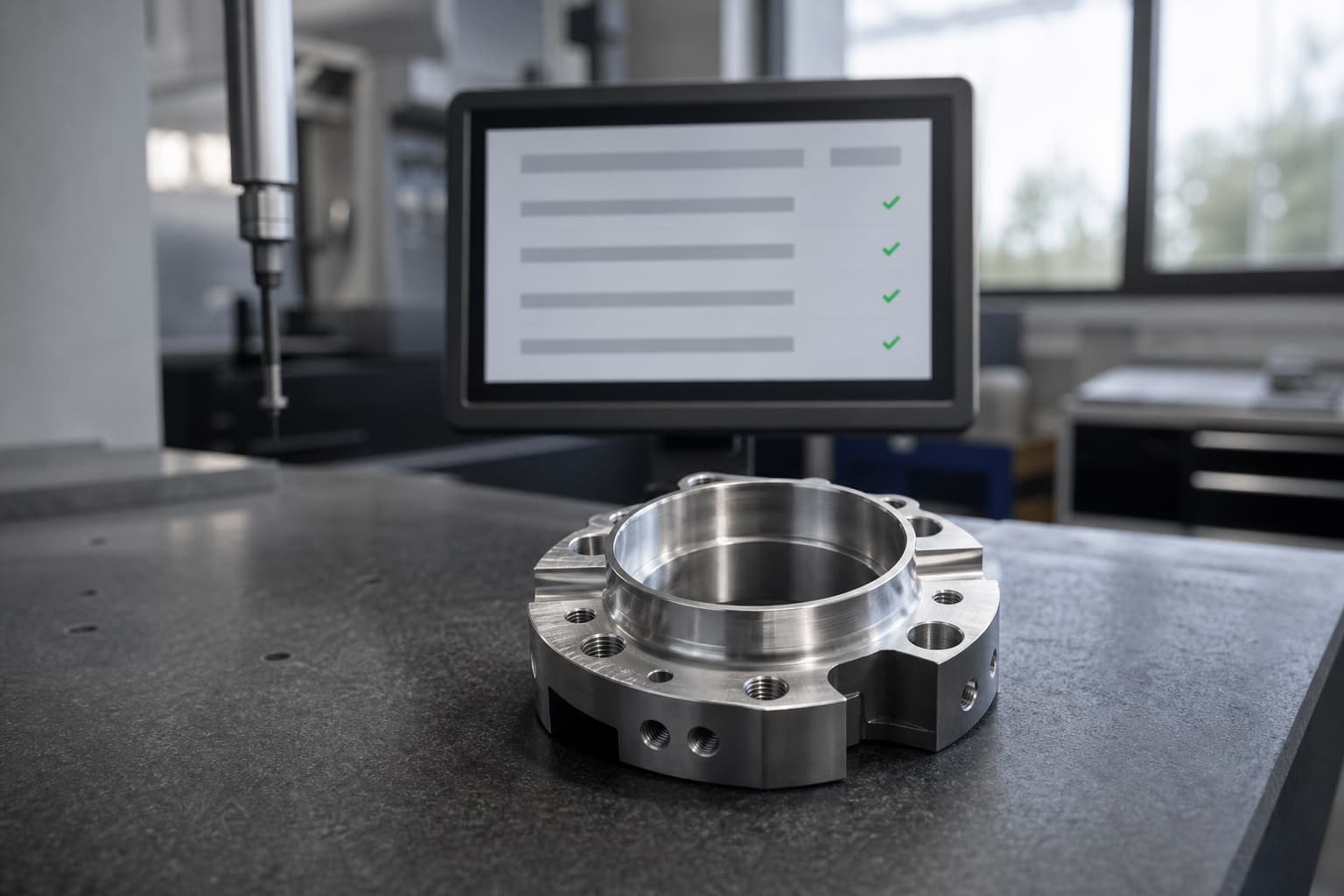
The case cannot close until the fix is verified effective. When it does, it closes into a hash-chained, replayable record that is audit-ready the moment it lands.
What you get
Cases keep moving
With an owner on every step, non-conformances stop waiting in an inbox or a spreadsheet. You can see where each case sits, what it is waiting on, and who owns the next step.
Closed only when it is proven
A case cannot close until root cause is recorded and the corrective action is verified effective, so recurring problems get caught instead of closed on trust.
Audit-ready the moment it closes
The evidence record is the objective proof IATF 16949 and ISO 9001 expect, produced per case as the work happens, so a surveillance audit is a query, not a scramble.
Questions, answered.
What teams ask when they evaluate Kora for this problem.
Bring one open non-conformance.
In a demo, bring a case you are handling today. We will map it to the governed path from containment to verified closure and show the evidence record it leaves for IATF 16949 and ISO 9001.